Introduction
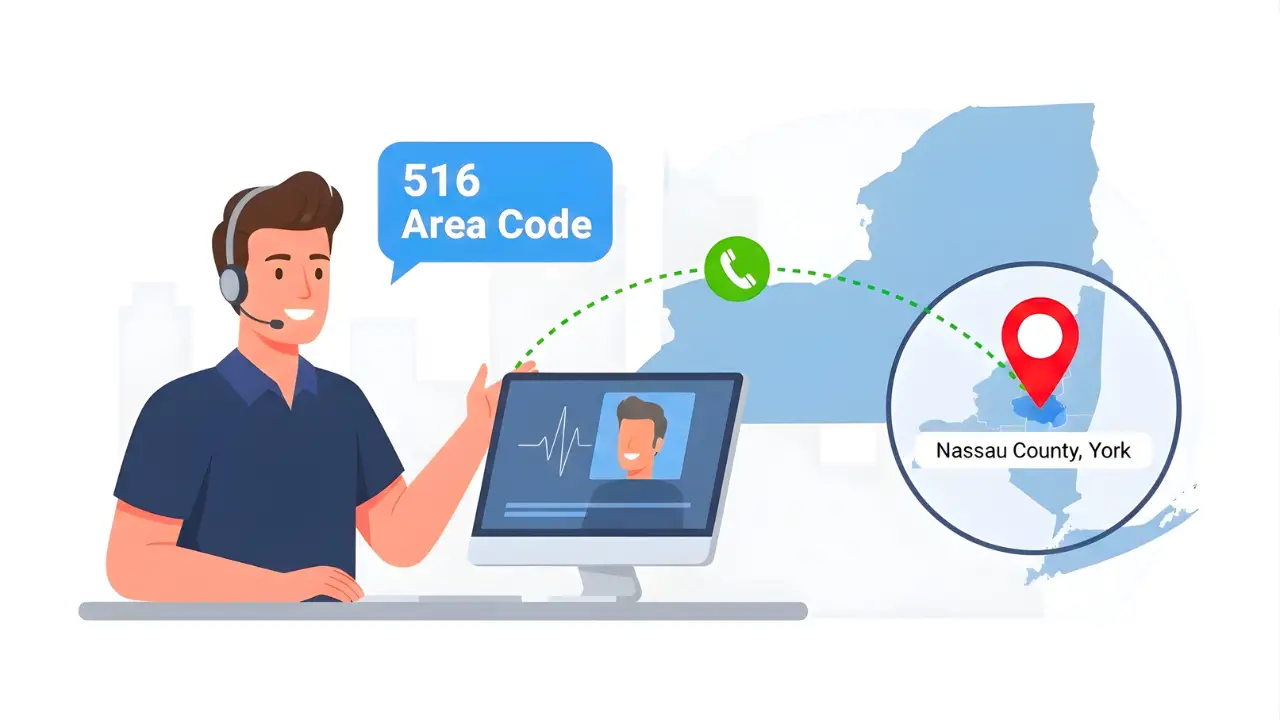
The 516 area code location plays a vital role in everyday communication across Nassau County on Long Island, New York. It helps route calls accurately while allowing people to quickly recognize whether a call is local. From households and schools to businesses and healthcare providers, this area code supports daily interactions that keep the region connected.
Even as smartphones, messaging apps, and internet-based calling continue to grow, area codes still matter. They add location context, improve trust in local communication, and support consistent calling experiences across both traditional carriers and modern platforms such as Callmama.
Key Takeaways
- Identifies local calls from the 516 area code location
- Supports landline, mobile, and VoIP communication
- Understanding dialing rules and scam risks improves call safety
What is the 516 Area Code?
The 516 area code location is part of the North American Numbering Plan (NANP), a standardized telephone numbering system used across the United States, Canada, and several other regions. It is officially assigned to Nassau County, New York, and appears at the beginning of phone numbers registered within this geographic area.

Area codes serve a critical technical purpose. They help telephone networks determine where a call should be delivered, ensuring that local, long-distance, and international calls are routed correctly. Without this structure, managing millions of daily calls would be inefficient and prone to errors.
Beyond technical routing, area codes also carry geographic meaning. Seeing a familiar local code often reassures people that a call is coming from nearby. This sense of familiarity applies whether the call is made from a traditional phone line or a VoIP-based service such as Callmama.
Why is the 516 Area Code Important?
Understanding an area code 516 helps people communicate more effectively. For individuals, it makes it easier to recognize calls from local schools, medical offices, service providers, or community organizations. This reduces the chance of missing important calls or messages.
For businesses, a local phone number can significantly influence customer trust. Many people are more likely to answer calls that appear local rather than numbers from unfamiliar regions. This is why businesses and virtual phone platforms often prioritize offering local number options.
Despite advances in mobile technology and internet-based calling, area codes remain essential. They support consistent numbering systems, reduce call routing errors, and maintain clarity across landlines, mobile networks, and cloud-based communication platforms.
Where is the 516 Area Code Located?
This 516 area code location is located in New York State and exclusively serves Nassau County on Long Island. The county lies east of New York City and west of Suffolk County, placing it at the heart of the greater metropolitan region.
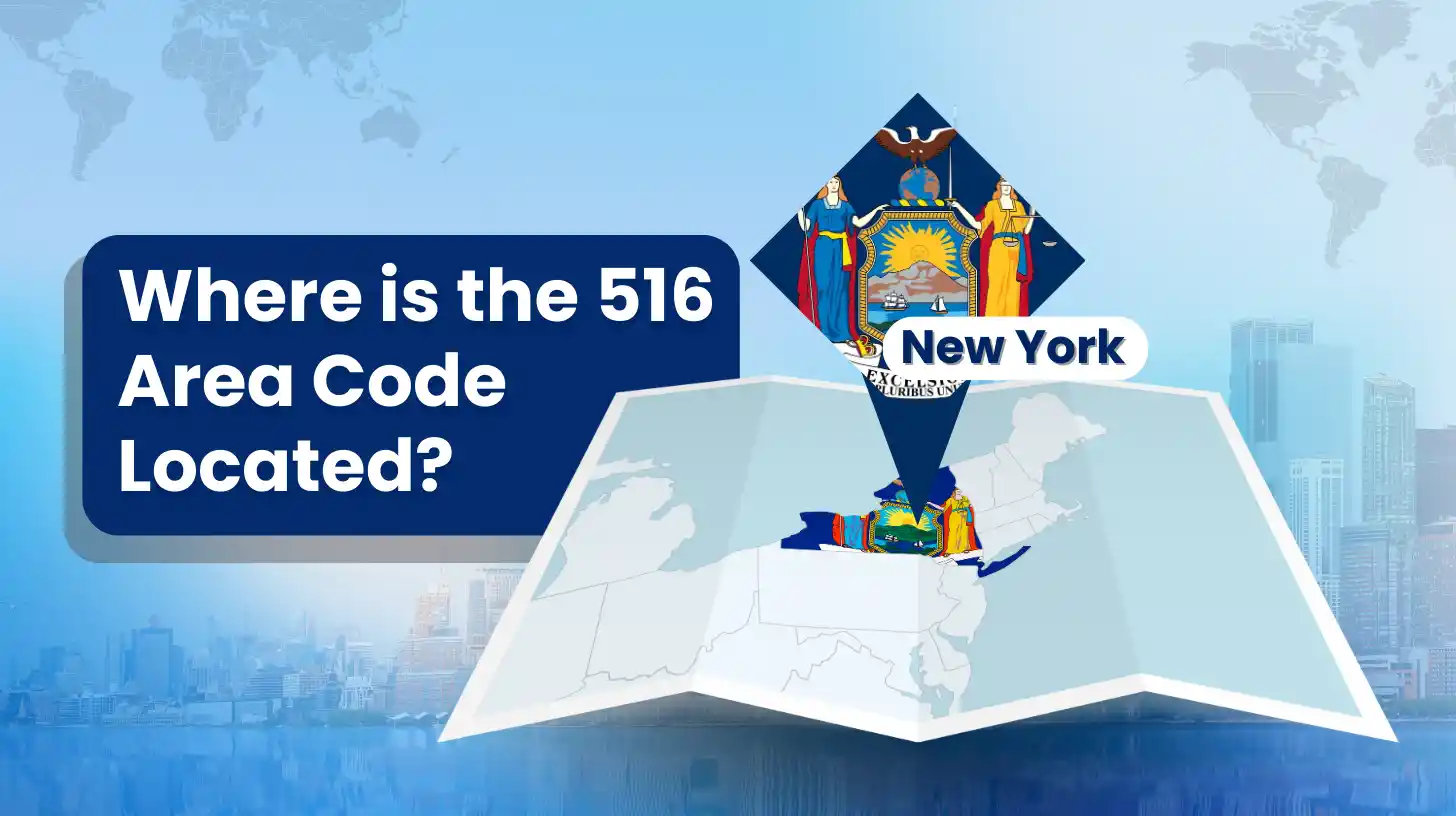
The coverage area includes both the North Shore and South Shore of Long Island. These areas feature suburban neighborhoods, coastal towns, business districts, shopping centers, and educational institutions that depend on reliable voice communication.
Cities and towns served include Hempstead, Freeport, Garden City, Mineola, Westbury, Hicksville, Levittown, Massapequa, and Syosset. Each of these communities relies on dependable phone connectivity for commerce, public services, emergency response, and everyday communication.
The Evolution of the 516 Area Code
The area code 516 was introduced in 1951 as demand for telephone numbers increased across Long Island. Before this change, a single area code covered much of New York, which became unsustainable as population and phone usage grew.
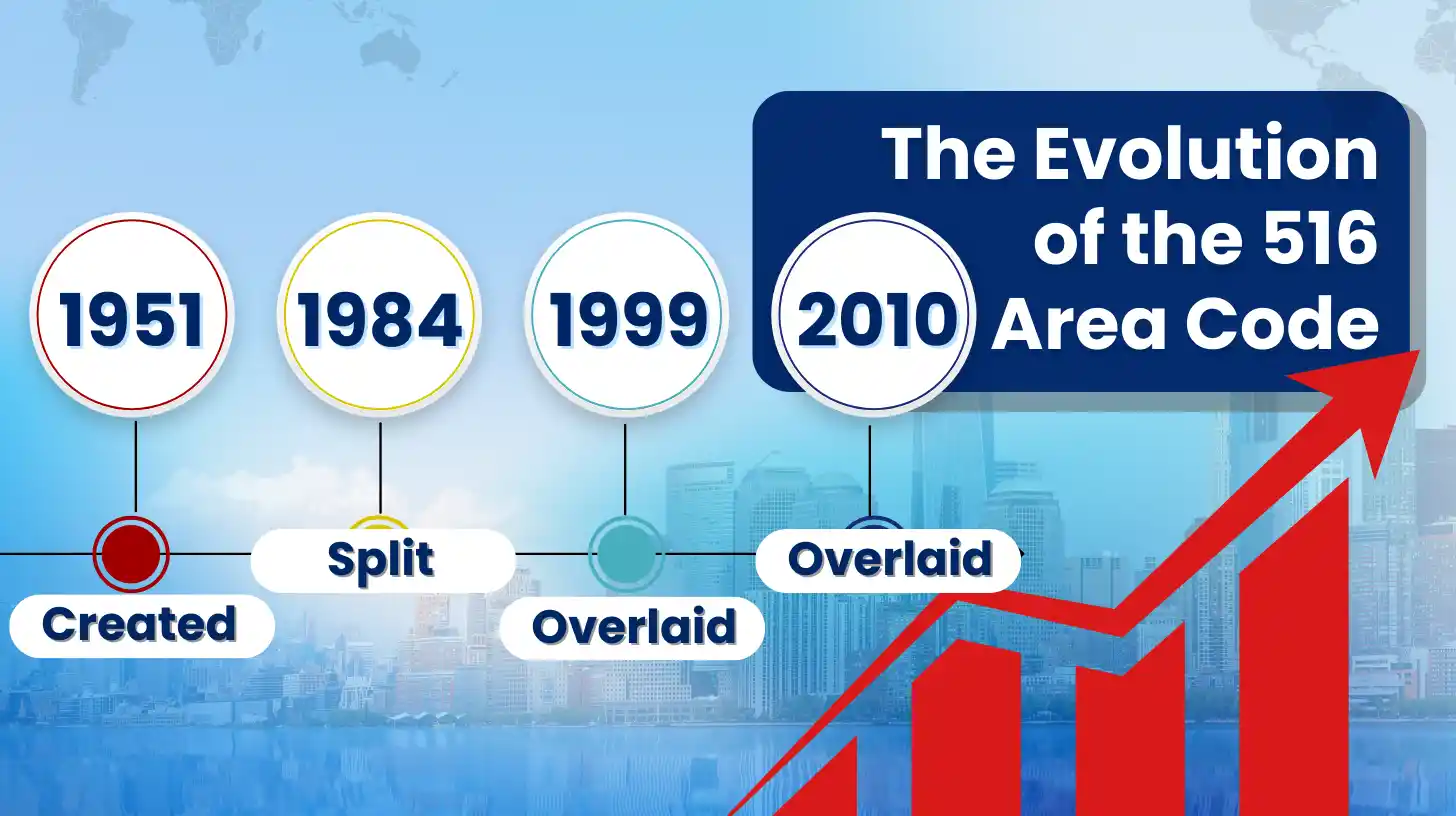
Initially, this area code 516 covered a larger portion of Long Island. As suburban development expanded and more households and businesses required phone lines, additional numbering solutions were needed to manage demand.
Over time, overlays became the preferred solution. Instead of forcing existing users to change their phone numbers, new area codes were added to the same geographic region. This allowed continued growth with minimal disruption for residents, businesses, and VoIP providers such as Callmama.
Key Events in 516 Area Code History
- 1951: Area code created to serve Nassau County
- 1984: New codes added to support expanding New York City boroughs
- 1999: Suffolk County assigned the 631 area code
- 2010: Overlay with 934 introduced to increase number availability
These milestones reflect population growth, rising phone adoption, and the transition toward modern communication technologies.
Types of Phone Numbers Using the 516 Area Code
This 516 area code location supports a wide range of phone number types, allowing flexibility across personal, business, and digital communication needs.

Landline numbers used in homes, offices, schools, and institutions
- Mobile numbers assigned by wireless carriers for personal and professional use
- VoIP numbers that operate through internet-based platforms, supporting remote work and cloud calling
- Toll-free numbers commonly used by customer support centers
- Vanity numbers designed for branding and marketing purposes
How to Use the 516 Area Code
Correct usage of the 516 area code location helps ensure calls connect smoothly. When calling from outside Nassau County, dialing the full 10-digit number, including the area code, is required to avoid routing issues.
Local callers may still be able to use 7-digit dialing, depending on their service provider. However, due to overlays and modern dialing standards, many carriers now recommend dialing all 10 digits for consistency and reliability.
Businesses typically include the full phone number on websites, advertisements, and directories. This ensures customers can reach them easily from any location, including when using services such as Callmama.
Population and Demographics of the 516 Area Code
The region served by the area code 516 includes approximately 1.4 million residents, making Nassau County one of the most active and densely populated counties on Long Island. The population is diverse, economically stable, and well-educated.

Key demographic highlights include:
- Median age of around 41 years
- Median household income near $113,000
- High school graduation rate of approximately 92%
- Diverse ethnic and cultural backgrounds
These factors contribute to strong demand for reliable communication services across residential, commercial, and institutional sectors.
Standard Phone Number Format
The standard phone number format for the 516 area code is 516-XXX-XXXX. In this format, 516 represents the area code, which is the first three digits of the phone number.

The next three digits, XXX, are the exchange code or prefix, which identifies a specific exchange or group of phone lines. The final four digits, XXXX, are the line number or suffix, which identifies a specific phone line within the exchange.
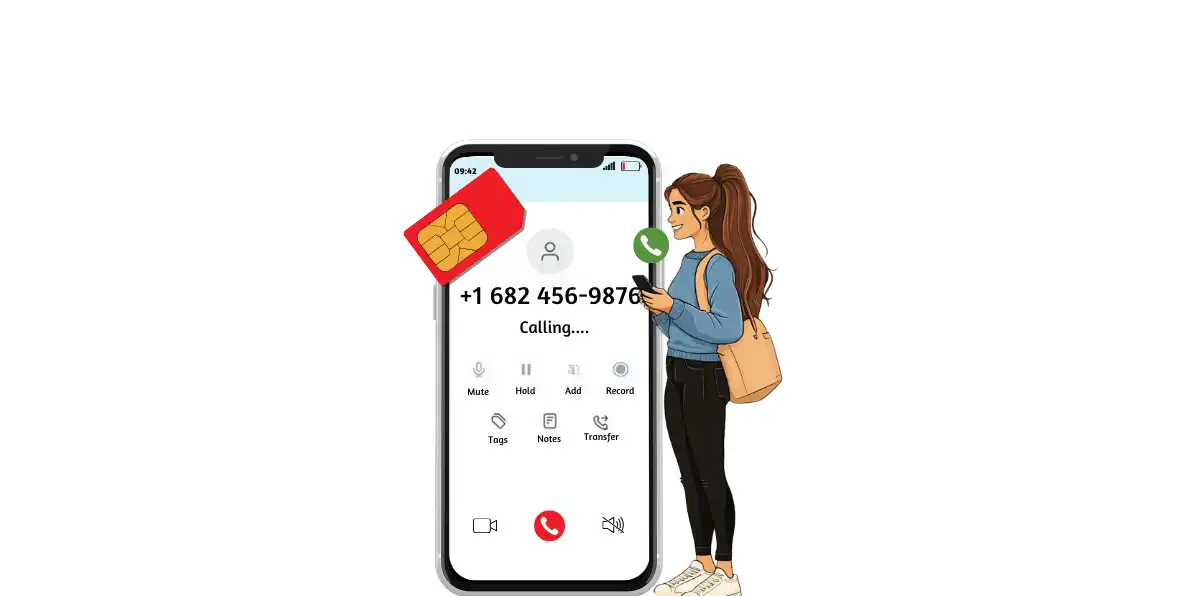
When dialing a phone number with the 516 area code from outside the United States, the international format +1 516 XXX XXXX should be used. This format includes the country code for the United States (+1), followed by the area code (516), exchange code (XXX), and line number (XXXX).
Dialing Local Numbers
To place a local call within Nassau County:
- Dial the 7-digit phone number
- No additional prefix is required
- Supported across landline, mobile, and VoIP services
While local dialing remains convenient, using 10-digit dialing helps ensure consistency in overlay regions.
Dialing Long-Distance Numbers
For long-distance calls:
- Dial 1 before the number
- Enter the full 10-digit phone number
- Confirm network stability before placing the call
Charges may vary by provider and calling plan, so reviewing rates in advance is recommended.
Dialing International Numbers
To place an international call from the United States:
- Dial 011
- Enter the destination country code
- Dial the complete phone number
International calling rates may differ based on destination and provider.
Additional Tips
- Double-check numbers before dialing
- Be aware of carrier fees or restrictions
- Use a stable network connection for better call quality
These steps help reduce errors and improve overall communication reliability.
Common Scams in the 516 Area Code
Like many populated regions, local numbers are sometimes used by scammers to appear trustworthy. These calls often rely on urgency or familiarity to mislead recipients.
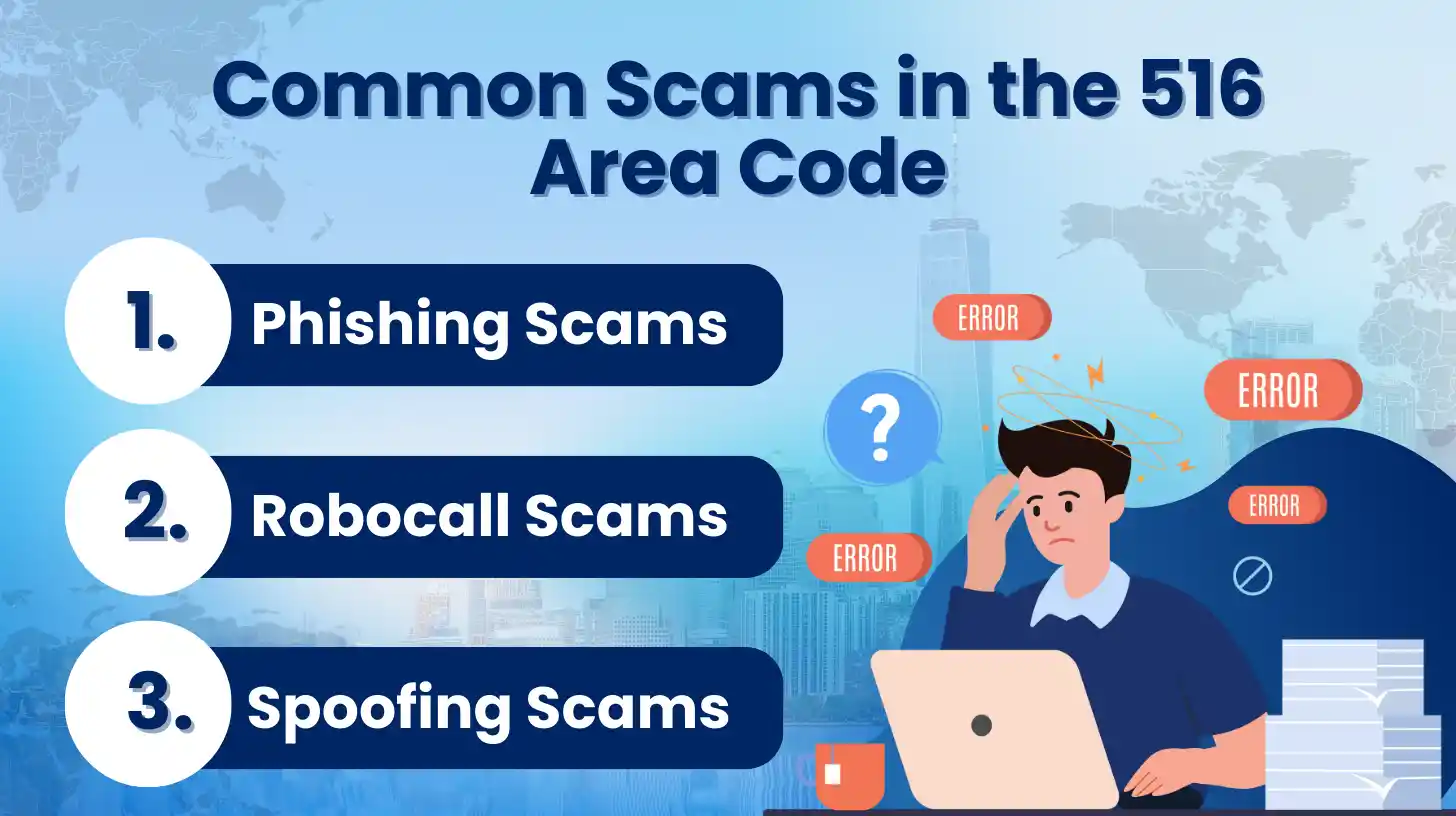
Common scams include:
- Phishing calls requesting personal or financial information
- Robocalls offering fake prizes or refunds
- Spoofed numbers designed to appear local
Recognizing these tactics helps reduce the risk of fraud.
Tips for Staying Safe
To stay protected, avoid sharing sensitive information with unknown callers, including personal details, passwords, or financial data. Legitimate organizations do not request payment information or demand urgent action over the phone without proper verification.
Registering your number with the National Do Not Call Registry can also reduce unwanted calls, limit telemarketing interruptions, and improve overall call security by filtering non-essential or suspicious communications.
Reporting Scams
Suspected scams should be reported to the Federal Trade Commission (FTC) at 1-877-FTC-HELP or through official reporting channels. Reporting scams helps protect others by raising awareness and preventing further fraudulent activities.
By reporting, you also support enforcement efforts, ensuring that scammers are investigated and held accountable. Gathering relevant details, such as phone numbers or email addresses, can aid the FTC in their efforts to combat fraud and safeguard the public.
Future Trends in the 516 Area Code
Future trends include increased VoIP adoption, as more businesses and individuals turn to internet-based communication for cost-effective and flexible services. This shift will drive innovations in call quality and user experience, enabling seamless global connectivity.
Mobile-first communication is also on the rise, with more people relying on smartphones for personal and professional communication. As mobile technologies continue to improve, mobile-first solutions will enhance convenience and accessibility for users, making communication more streamlined.
Number portability will continue to allow users to keep their numbers when switching providers, including Callmama, ensuring a smooth transition without disrupting services. Additionally, if demand for phone numbers increases, additional overlays may be introduced to accommodate the growing need for new numbers, ensuring uninterrupted access to communication services.
Conclusion
The 516 area code location remains a core part of Nassau County’s communication infrastructure. Serving as a vital link for residents and businesses, it ensures smooth connectivity within the region. By understanding how the area code works, its history, dialing practices, and safety considerations, individuals and businesses can communicate more confidently while adapting to modern calling technologies. This knowledge empowers users to navigate changes in dialing formats and avoid potential disruptions, fostering seamless communication in both personal and professional contexts. As telecommunications continue to evolve, having a clear grasp of the area code’s role ensures that users stay connected without unnecessary complications.






 United States
 United Kingdom
 Canada
 Australia
 Albania
 Germany
 France
 Italy
Italy
 Spain
Spain
 Japan
Japan
 South Africa
 Argentina
 212 (New York)